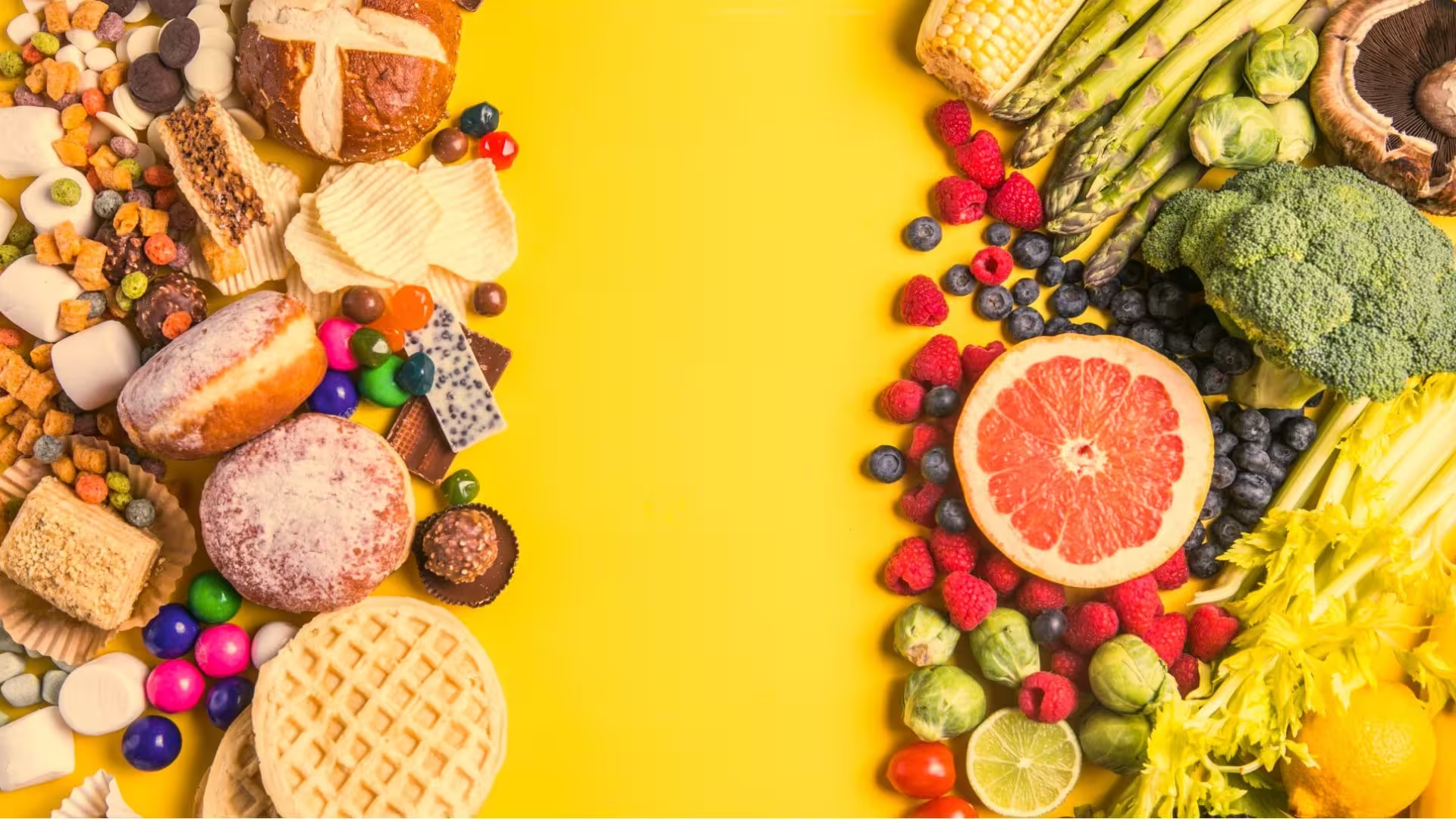
Eating healthy doesn’t mean following strict diets, cutting out your favorite foods, or obsessively counting calories. Building balanced meals is about creating a sustainable, enjoyable approach to nutrition that supports overall health, energy, and mental clarity. By focusing on variety, portion balance, and nutrient-rich foods, you can nourish your body without feeling restricted or overwhelmed.
What Is a Balanced Meal?
A balanced meal contains an appropriate mix of macronutrients—carbohydrates, proteins, and fats—along with fiber, vitamins, and minerals. The goal is to provide your body with sustained energy, support metabolism, and maintain overall well-being. Unlike fad diets, a balanced meal approach encourages flexibility, enjoyment, and moderation rather than deprivation.
Key Components of a Balanced Meal
- Protein
Protein supports muscle repair, satiety, and metabolic function. Include a variety of sources such as lean meats, fish, eggs, dairy, beans, lentils, tofu, or nuts. Protein should make up roughly a quarter of your plate. - Complex Carbohydrates
Carbohydrates are your body’s main energy source. Choose whole grains like brown rice, quinoa, oats, or whole wheat bread, as well as starchy vegetables. They provide steady energy, fiber, and essential nutrients. - Healthy Fats
Fats are crucial for brain function, hormone production, and nutrient absorption. Incorporate sources like olive oil, avocado, nuts, seeds, and fatty fish. Moderate amounts of healthy fats in meals improve satiety and flavor. - Vegetables and Fruits
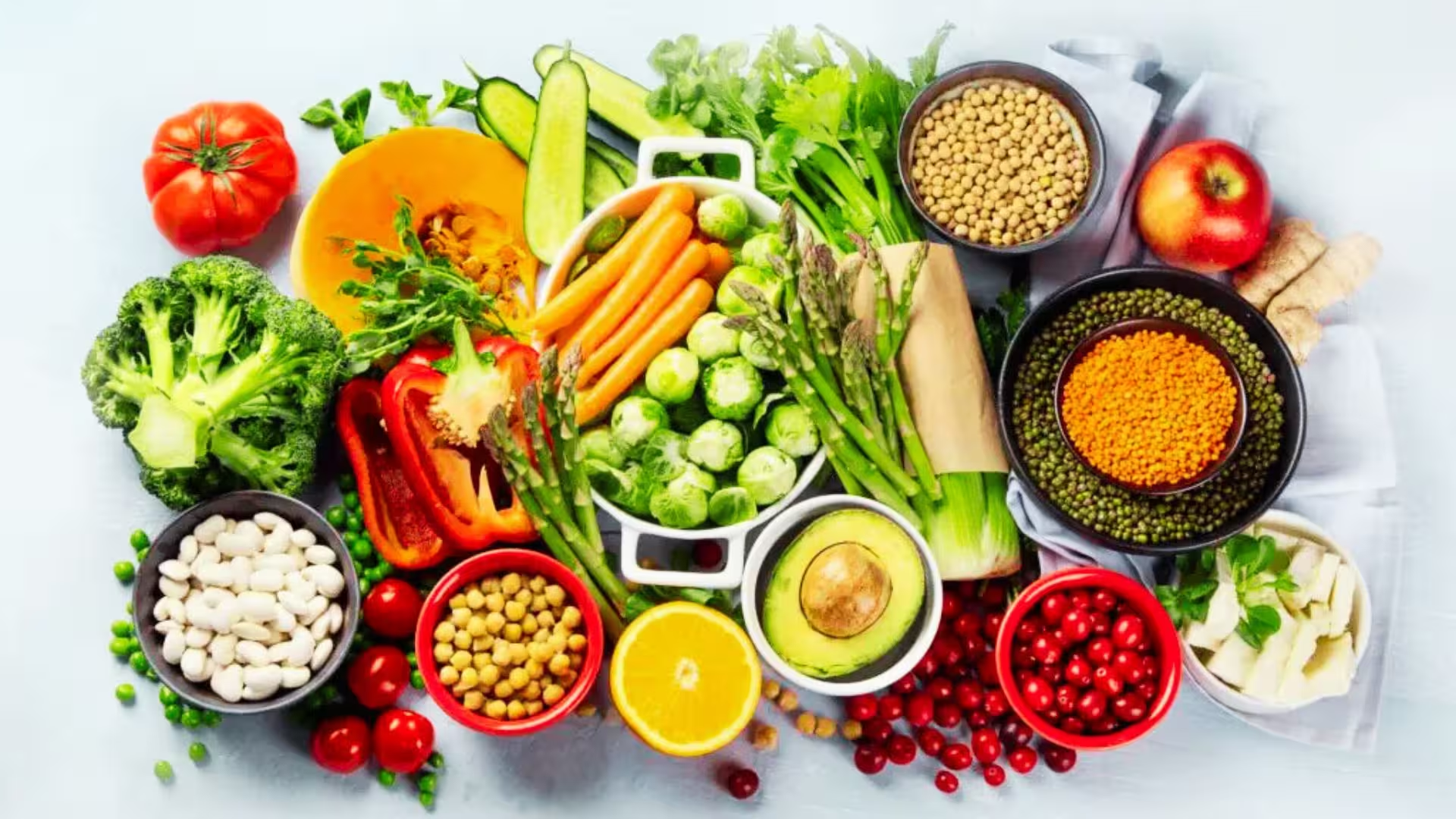
Vegetables and fruits provide vitamins, minerals, fiber, and antioxidants that support immunity and overall health. Aim to fill at least half your plate with colorful produce for maximum nutrient diversity. - Hydration
Drinking water with meals supports digestion and keeps your body functioning optimally. Limit sugary beverages, but herbal teas and sparkling water are great alternatives.
Tips for Building Balanced Meals Without Strict Dieting
1. Use the Plate Method
A simple visual guide can help you portion meals easily:
- Half the plate: vegetables and fruits
- One-quarter: lean protein
- One-quarter: whole grains or starchy vegetables
- Add a small portion of healthy fat
This method promotes balance without the need to count calories or follow strict rules.
2. Focus on Whole, Minimally Processed Foods
Choose fresh, nutrient-dense foods over heavily processed options. Whole foods naturally provide more fiber, vitamins, and minerals, which keep you full longer and improve digestion.
3. Practice Mindful Eating
Pay attention to hunger cues, eat slowly, and savor each bite. Mindful eating reduces overeating, improves digestion, and helps you develop a healthier relationship with food.
4. Mix and Match Nutrients
Variety ensures your body gets all essential nutrients. Try pairing different protein sources, colorful vegetables, and healthy fats across meals. For example, a salmon salad with mixed greens, quinoa, and avocado offers a wide range of nutrients in one meal.
5. Plan Ahead
Preparing ingredients or meals in advance reduces reliance on convenience foods and helps maintain balance. Simple steps like chopping vegetables, cooking grains in bulk, or pre-portioning proteins make healthy choices easier.
6. Don’t Fear Treats
A balanced approach includes flexibility. Enjoying a small dessert or snack occasionally is compatible with a healthy diet. The key is moderation and ensuring the majority of meals remain nutrient-rich.
7. Pair Meals with Lifestyle Habits
Balanced meals are most effective when paired with hydration, physical activity, stress management, and quality sleep. For expert tips on integrating nutrition with a healthy lifestyle, visit Healthy Living Hub.
Benefits of Balanced Eating Without Strict Dieting
Adopting balanced meals without rigid dieting offers several advantages:
- Sustainable Long-Term Habits: Flexible eating is easier to maintain than restrictive diets.
- Stable Energy Levels: Balanced meals provide consistent fuel for the body and brain.
- Improved Digestion and Nutrient Absorption: Fiber and diverse nutrients support gut health.
- Better Weight Management: Satiety from protein, fiber, and healthy fats prevents overeating naturally.
- Enhanced Mental Clarity and Mood: Nutrient-dense meals reduce energy crashes and support emotional wellbeing.
By making gradual, realistic changes, you can improve your health while still enjoying food.
Sample Balanced Meal Ideas
- Breakfast: Greek yogurt with berries, chia seeds, and a drizzle of honey
- Lunch: Grilled chicken salad with quinoa, mixed greens, avocado, and olive oil dressing
- Snack: Apple slices with almond butter or a handful of nuts
- Dinner: Baked salmon with roasted sweet potatoes and steamed broccoli
These examples demonstrate how variety, balance, and portion control come together without feeling restrictive.
Conclusion
Building balanced meals without strict dieting is about combining nutrition, enjoyment, and sustainability. Focus on incorporating protein, complex carbs, healthy fats, vegetables, and fruits into every meal while practicing moderation and mindful eating. Pairing this approach with proper hydration, physical activity, and sleep supports overall wellbeing and long-term health. For guidance on nutrition, healthy meal planning, and lifestyle habits, visit Healthy Living Hub and start building a sustainable path to better health today.