The foods we eat play a major role in our health, energy, and long-term wellbeing. Understanding the difference between whole foods and processed foods is essential for making informed dietary choices. While both types of food can fit into a balanced diet, emphasizing whole foods provides more nutrients, supports natural body functions, and promotes overall health.
What Are Whole Foods?
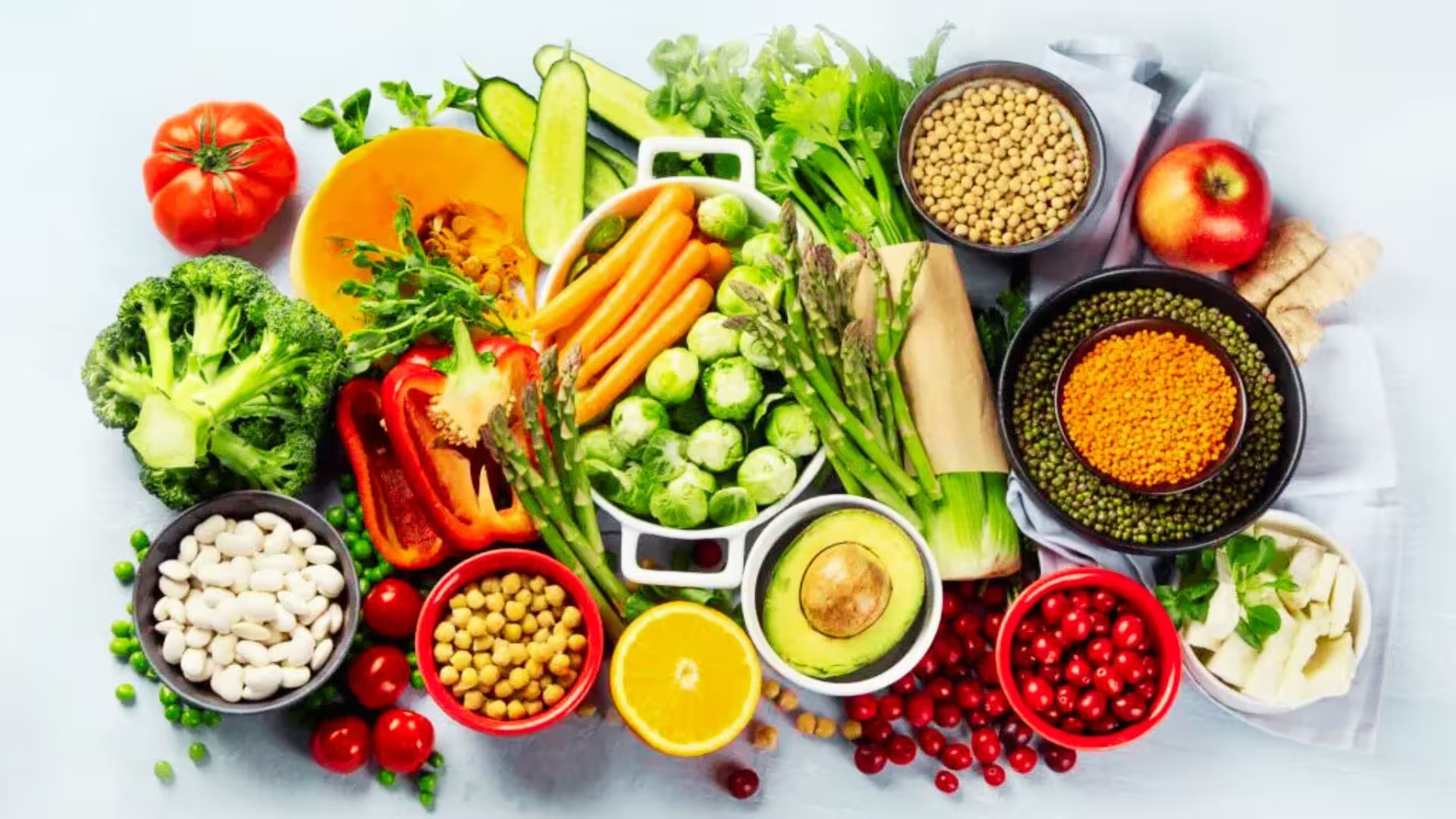
Whole foods are foods that are minimally processed and free from artificial additives or refined ingredients. They are consumed close to their natural state, retaining most of their vitamins, minerals, and fiber. Examples of whole foods include:
- Fresh fruits and vegetables
- Whole grains such as brown rice, oats, and quinoa
- Legumes like beans, lentils, and chickpeas
- Nuts and seeds
- Lean meats, fish, and eggs
Whole foods are nutrient-dense, providing essential macronutrients and micronutrients that support energy, brain function, immunity, and overall wellbeing. Eating primarily whole foods helps maintain steady blood sugar, supports digestion, and reduces the risk of chronic illnesses like diabetes, heart disease, and obesity.
What Are Processed Foods?
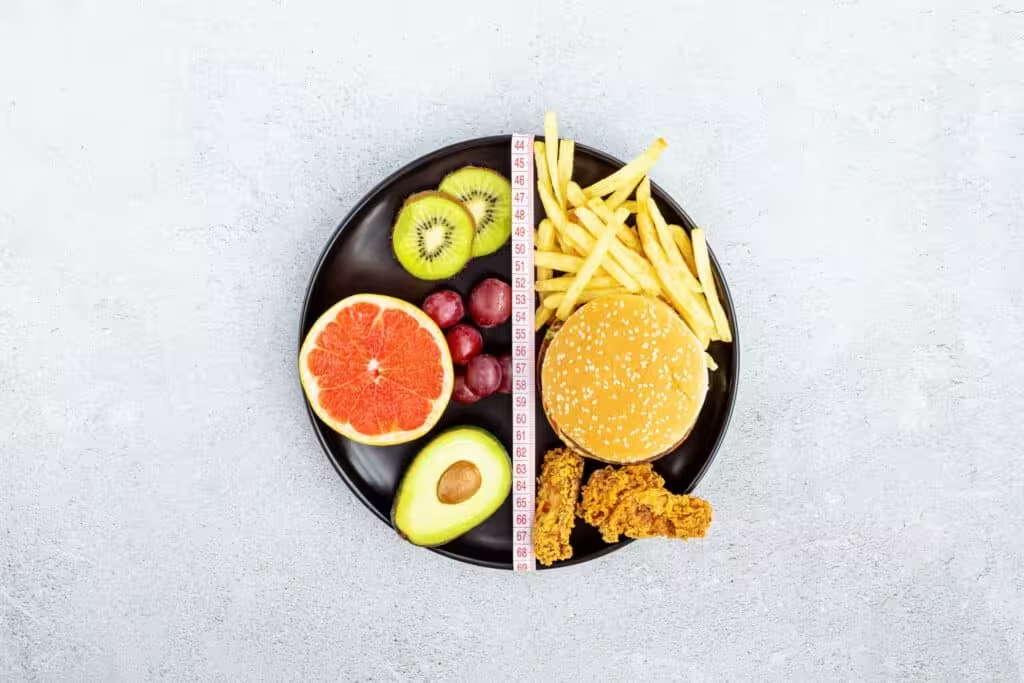
Processed foods are foods that have been altered from their natural state through methods such as canning, freezing, refining, adding preservatives, sweeteners, or flavorings. Processing can vary in degree, from minimally processed foods like pre-cut vegetables to highly processed options like sugary snacks, instant meals, and packaged foods.
Common examples of processed foods include:
- Packaged snacks like chips or cookies
- Sugary cereals
- Frozen meals with additives
- Soda, energy drinks, and flavored beverages
- Processed meats like hot dogs and sausages
While some processing can improve food safety and convenience, highly processed foods often contain added sugars, unhealthy fats, and sodium, while being low in fiber and essential nutrients. Frequent consumption of highly processed foods is associated with energy crashes, weight gain, inflammation, and long-term health risks.
Key Differences Between Whole and Processed Foods
| Feature | Whole Foods | Processed Foods |
| Nutrient Density | High, naturally occurring vitamins & minerals | Often low, many nutrients lost during processing |
| Fiber Content | High | Usually low |
| Additives & Preservatives | None or minimal | Often high |
| Sugar & Sodium | Naturally occurring, moderate | Often high |
| Energy Impact | Sustained energy | Quick spikes and crashes |
| Health Effects | Supports long-term health | May increase risk of chronic diseases |
Why Choosing Whole Foods Matters
Emphasizing whole foods in your diet provides several benefits:
- Improved Energy Levels: Whole foods release energy slowly, preventing mid-day fatigue.
- Better Digestion: Fiber-rich foods promote gut health and regular bowel movements.
- Weight Management: Whole foods are more filling, reducing the tendency to overeat.
- Disease Prevention: Nutrient-dense foods lower the risk of heart disease, diabetes, and obesity.
- Mental Clarity: Stable blood sugar and nutrient-rich diets improve focus, mood, and cognitive performance.
Incorporating more whole foods doesn’t mean eliminating processed foods. The key is moderation and choosing minimally processed options whenever possible.
You Can Also Read: balanced-meal-guide
Tips to Incorporate More Whole Foods
- Shop the Perimeter of the Store: Fresh produce, meats, and whole grains are often located around the edges of grocery stores.
- Read Labels Carefully: Avoid foods with long ingredient lists, added sugars, or artificial additives.
- Cook at Home: Preparing meals from scratch ensures you control ingredients and retain nutrients.
- Gradually Replace Processed Snacks: Swap chips or candy with nuts, fruits, or yogurt.
- Experiment with Whole Grains: Replace white rice or bread with brown rice, quinoa, or whole wheat bread.
For guidance on building balanced meals, healthy snack options, and nutrition tips, visit Healthy Living Hub. Making small, intentional choices each day leads to better health and long-term wellness.
Conclusion
Understanding the difference between whole foods and processed foods empowers you to make smarter dietary decisions. Whole foods offer nutrient density, fiber, and long-lasting energy, while highly processed foods may provide convenience but often come with added sugars, unhealthy fats, and low nutritional value. By prioritizing whole foods and minimizing processed options, you can improve energy, support digestion, maintain healthy weight, and reduce the risk of chronic illnesses. For practical advice, meal ideas, and lifestyle guidance, explore Healthy Living Hub and start building a healthier, more balanced diet today.