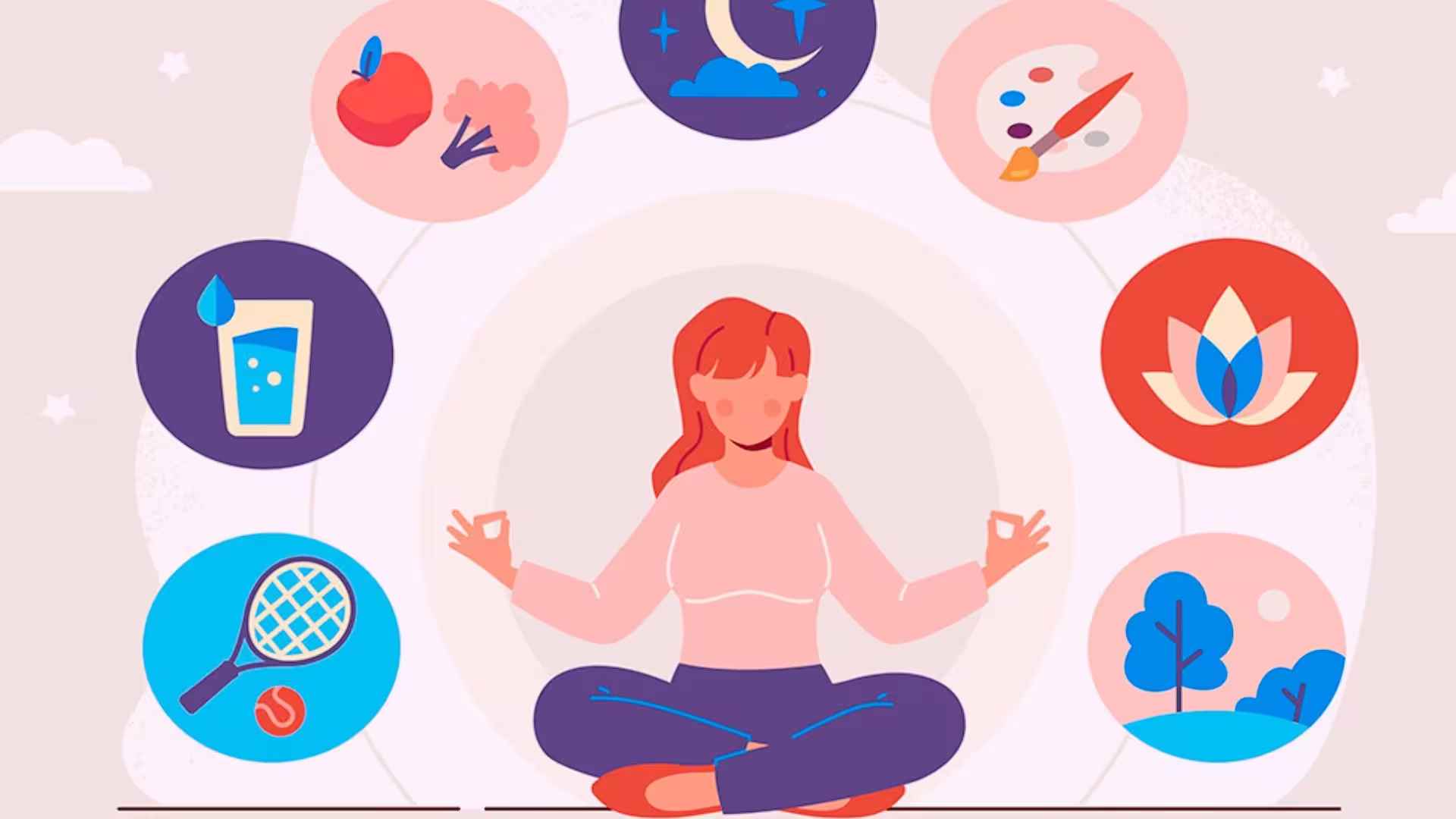
Improving your health doesn’t always require drastic measures or expensive interventions. In fact, small, intentional lifestyle changes can produce significant benefits over time. From boosting energy to enhancing mental clarity and reducing the risk of chronic diseases, minor adjustments in daily habits can transform your overall well-being. Understanding how small changes accumulate into meaningful health improvements is the key to creating a sustainable and balanced lifestyle.
Why Small Changes Matter
Many people approach health improvement with a “big leap” mentality drastic diet changes, intense workouts, or sudden detox programs. While these can work temporarily, they are often difficult to maintain. Small, incremental changes are more effective for long-term results because they are easier to adopt consistently and gradually rewire habits. Even minor modifications, like drinking more water, adjusting sleep schedules, or taking short walks, can have a profound cumulative impact on your physical and mental health.
Simple Lifestyle Adjustments to Improve Health
1. Prioritize Sleep
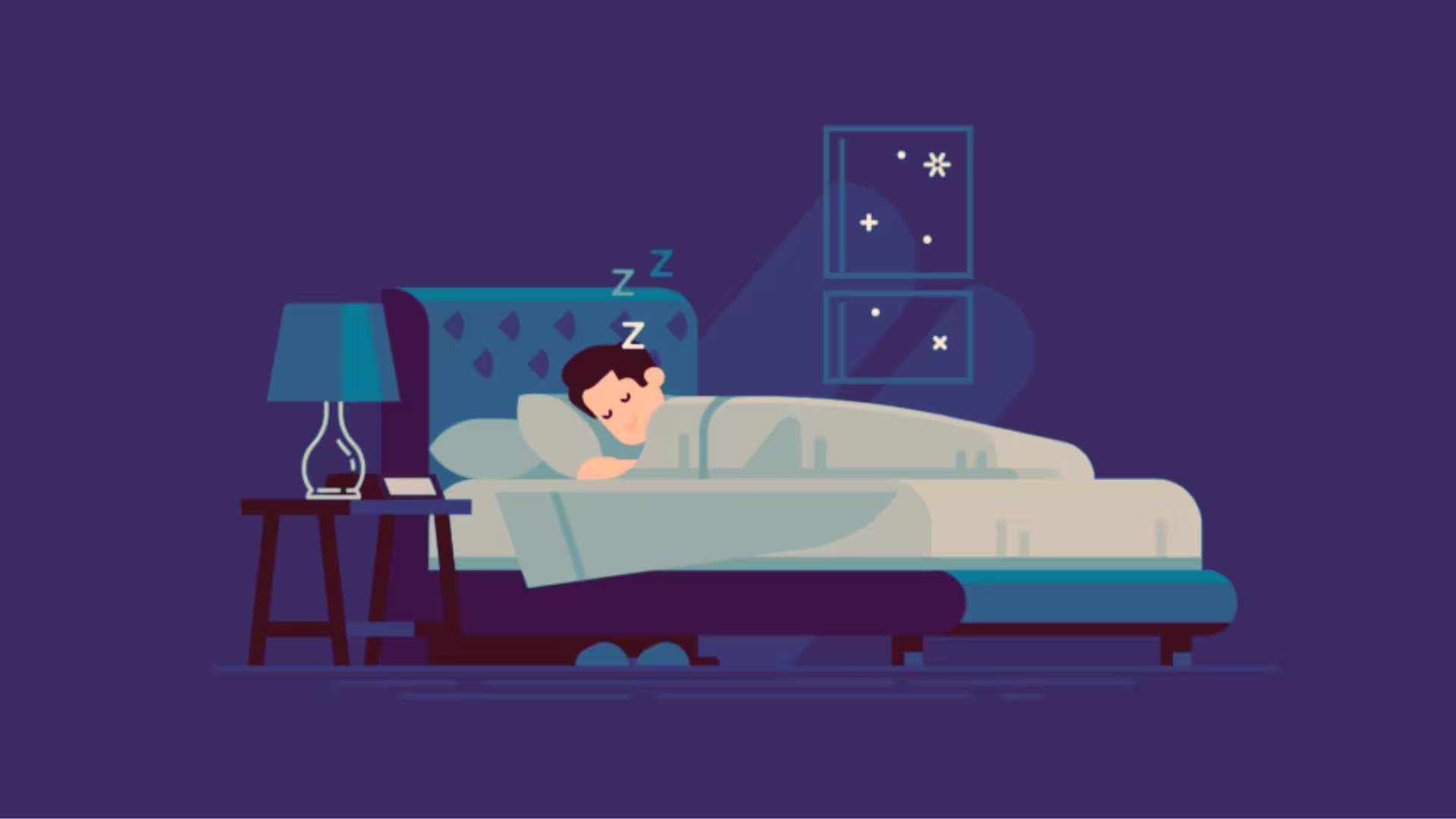
Sleep is foundational to every aspect of health. Adjusting your bedtime routine, maintaining consistent sleep hours, and improving sleep quality can enhance energy, concentration, and mood. Quality sleep also supports immune function, hormone balance, and weight management.
2. Stay Hydrated
Water is critical for energy production, cognitive function, and overall well-being. Even mild dehydration can cause fatigue, irritability, and difficulty focusing. Make hydration a habit by carrying a water bottle, drinking at regular intervals, and including water-rich foods in your diet. For tips on incorporating hydration into a daily routine, check out FitLifeSource.
3. Move More Throughout the Day
You don’t need a gym membership to improve your physical health. Taking the stairs, stretching at your desk, or going for short walks during breaks increases circulation, supports cardiovascular health, and helps maintain a healthy weight. Regular movement also boosts mood and mental clarity.
4. Mindful Eating
Small changes in eating habits can have lasting effects. Focus on balanced meals with lean proteins, whole grains, fruits, and vegetables. Reduce processed foods, sugar, and excessive caffeine. Eating mindfully—paying attention to hunger cues and avoiding distractions—can improve digestion and prevent overeating.
5. Practice Stress Management
Chronic stress can undermine even the healthiest habits. Incorporating stress-reducing techniques such as meditation, journaling, deep breathing exercises, or short nature walks can improve mental resilience and emotional well-being.
6. Limit Screen Time
Reducing unnecessary screen exposure, especially before bedtime, improves sleep quality, reduces eye strain, and promotes better focus. Allocate time for offline activities like reading, hobbies, or social interactions to balance digital consumption.
7. Build Healthy Routines
Consistency is crucial for long-term health. Small routines, such as morning stretches, hydration rituals, or a nightly wind-down, reinforce healthy habits and make them automatic over time. Structured routines reduce stress and decision fatigue while supporting physical and mental wellness.
8. Foster Social Connections
Social well-being is closely linked to physical and mental health. Spending time with family, friends, or community groups reduces stress, enhances mood, and promotes a sense of belonging. Even small efforts like calling a loved one daily can strengthen relationships and improve overall health.
Benefits of Small Lifestyle Changes
Implementing even minor lifestyle changes offers a range of benefits:
- Improved Energy Levels: Small changes like hydration and movement prevent fatigue and maintain alertness.
- Enhanced Mental Clarity: Regular routines, mindfulness, and quality sleep support focus and memory.
- Reduced Risk of Chronic Diseases: Consistent healthy habits reduce the likelihood of diabetes, heart disease, and obesity.
- Better Mood and Emotional Stability: Stress management and social connections enhance mental well-being.
- Sustainable Long-Term Health: Incremental adjustments are easier to maintain, ensuring lasting positive effects.
By approaching health improvement gradually, you are more likely to stick to these changes and make them a permanent part of your lifestyle.
How to Get Started
Starting small ensures success. Pick one or two habits to focus on initially, such as drinking more water or going for a daily walk. Gradually layer additional healthy changes, tracking progress along the way. Celebrate small wins to reinforce positive behavior. Over time, these small steps compound into significant improvements in energy, focus, and overall health.
For practical advice on building sustainable health routines, nutrition tips, and fitness guidance, visitFitLifeSource. Small, consistent actions today can lead to major improvements in your physical and mental well-being tomorrow.