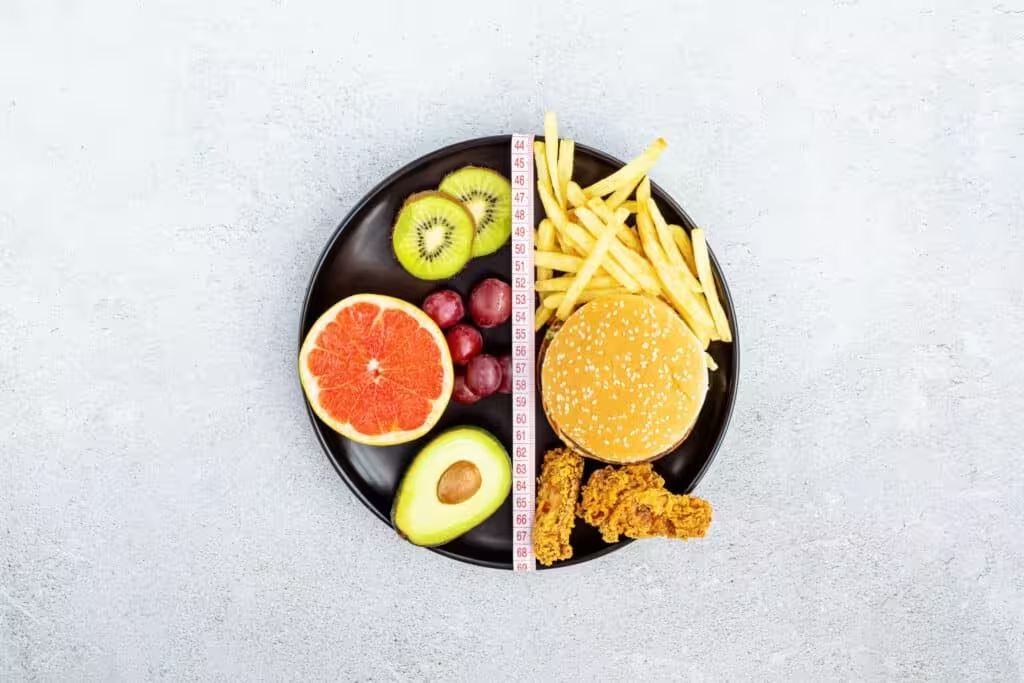
Metabolism is the process by which your body converts food into energy. While genetics play a role in metabolic rate, your eating patterns, including meal timing, frequency, and composition, have a significant impact on how efficiently your body burns calories, maintains energy, and manages weight. Understanding the connection between your eating habits and metabolism can help you make strategic adjustments for better health and vitality.
The Role of Meal Timing
When you eat affects how your body processes food. Your metabolism follows a circadian rhythm, meaning it fluctuates throughout the day. Research shows that consuming most calories earlier in the day can improve metabolic efficiency, support better blood sugar control, and enhance energy levels. Eating late at night, on the other hand, may disrupt natural hormone cycles, leading to slower digestion, increased fat storage, and disturbed sleep.
Consistent meal timing helps regulate hormones such as insulin, cortisol, and ghrelin, which control appetite, energy expenditure, and fat storage. By establishing regular eating windows, your body can better anticipate energy needs and optimize nutrient use.
Meal Frequency and Metabolic Rate
The number of meals you consume daily can also influence metabolism. Traditional advice often suggested eating small, frequent meals to “boost metabolism,” but recent studies indicate that total calorie intake and nutrient balance matter more than sheer frequency. Whether you eat three meals or five smaller ones, what matters most is consistency and nutrient quality.
Some patterns, like intermittent fasting, show potential benefits for metabolism by allowing insulin levels to stabilize, promoting fat utilization, and supporting cellular repair processes. However, intermittent fasting may not be suitable for everyone, especially those with medical conditions or high physical demands.
How Food Composition Affects Metabolism
The types of food you consume at each meal also play a role in metabolic health:
- Protein: Requires more energy to digest than carbohydrates or fats, a phenomenon called the thermic effect of food. High-protein meals can increase calorie burn, support muscle maintenance, and improve satiety.
- Carbohydrates: Complex carbs provide sustained energy, whereas refined sugars can cause spikes and crashes in blood sugar and energy levels.
- Fats: Healthy fats are essential for hormone regulation and can slow digestion, helping you feel full longer.
Balanced meals that combine protein, complex carbohydrates, and healthy fats help stabilize blood sugar, reduce cravings, and maintain consistent energy levels throughout the day.
You Can Also Read: whole-vs-processed-foods
Eating Patterns and Weight Management
Eating patterns influence not just metabolism, but also body weight and composition. Irregular meals, skipping breakfast, or frequent late-night snacking can disrupt hunger cues, cause overeating, and reduce metabolic efficiency. Conversely, structured eating patterns encourage portion control, better nutrient absorption, and improved digestion, all of which support healthy weight management.
Tips for Optimizing Metabolism Through Eating Patterns
- Maintain Regular Meal Times: Try to eat at consistent times each day to help regulate metabolic hormones.
- Prioritize Breakfast: Starting the day with a nutrient-rich meal kickstarts metabolism and provides energy for morning activities.
- Balance Macronutrients: Include protein, healthy fats, and complex carbohydrates in every meal for stable blood sugar and energy.
- Avoid Skipping Meals Frequently: Prolonged periods without food can slow metabolism and increase hunger-driven overeating later.
- Listen to Your Body: Eat when hungry and stop when satisfied. Mindful eating supports metabolism and prevents overeating.
- Pair Eating with Lifestyle Habits: Adequate sleep, regular movement, and hydration all work synergistically with eating patterns to optimize metabolism.
For guidance on building meals and routines that naturally support metabolism, check out Fit Life Source.
Conclusion
Your eating patterns—when, how often, and what you eat—play a crucial role in metabolic health. Establishing regular meal timing, balancing macronutrients, and practicing mindful eating can enhance energy, stabilize blood sugar, and improve long-term metabolic efficiency. While total calorie intake matters, the structure of your eating habits often has a stronger influence on how your body uses energy. Small, intentional adjustments to meal timing and composition can make a noticeable difference in energy levels, weight management, and overall wellbeing. By pairing smart eating patterns with quality sleep, hydration, and movement, you can create a lifestyle that naturally supports a healthy metabolism.