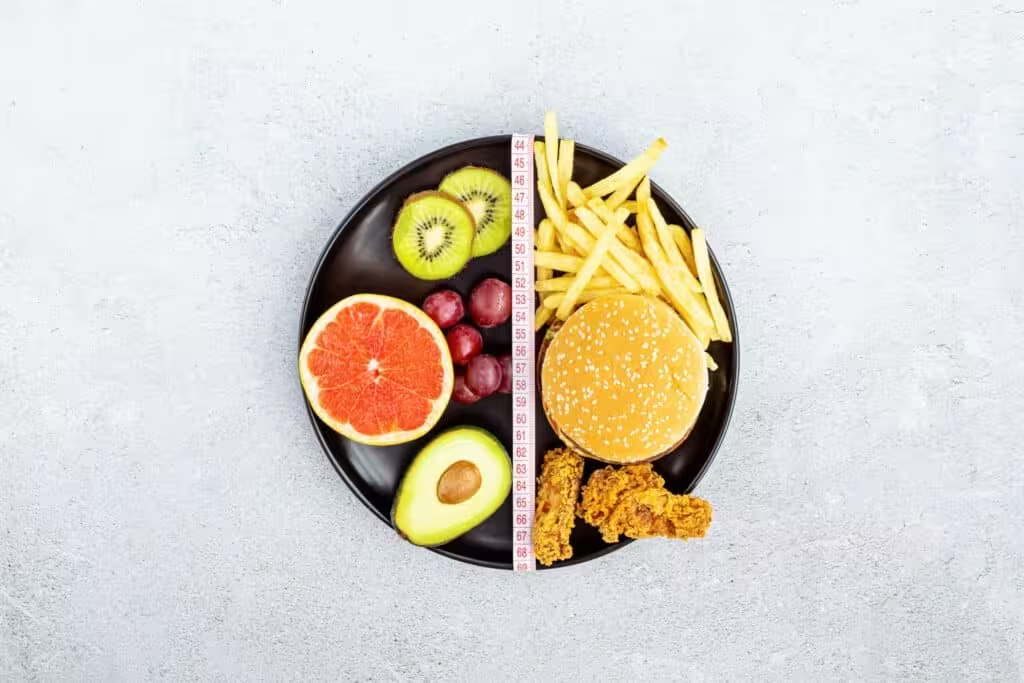
Good nutrition is the cornerstone of health, energy, and overall wellbeing. Yet, many people unknowingly sabotage their diets with everyday mistakes that reduce nutrient intake, lower energy levels, and affect long-term health. Identifying these common pitfalls can help you make smarter choices and create sustainable habits for better nutrition.
Mistake 1: Skipping Breakfast
Skipping breakfast is a frequent mistake that can disrupt metabolism and energy levels. Eating a balanced breakfast kickstarts your metabolism, provides energy for the morning, and stabilizes blood sugar. Without it, people often experience fatigue, poor concentration, and mid-morning cravings that lead to overeating or unhealthy snacking later in the day.
Tip: Opt for a nutrient-rich breakfast with protein, whole grains, and fruits to fuel your morning efficiently.
Mistake 2: Relying on Processed Foods
Highly processed foods are convenient but often low in nutrients, fiber, and protein, while high in added sugar, unhealthy fats, and sodium. Consuming these foods regularly can lead to energy crashes, weight gain, and increased risk of chronic diseases.
Tip: Emphasize whole, minimally processed foods like fresh vegetables, fruits, lean proteins, and whole grains.
Mistake 3: Not Drinking Enough Water
Hydration is often overlooked, yet even mild dehydration affects energy, focus, digestion, and overall performance. Many people mistake thirst for hunger, leading to unnecessary snacking.
Tip: Carry a water bottle, sip throughout the day, and include water-rich foods like fruits and vegetables in your diet. For tips on hydration and daily routines that support nutrition, visit Fit Life Source.
Mistake 4: Overconsumption of Sugary Beverages
Sugary drinks, including sodas, energy drinks, and flavored coffees, provide quick calories but no real nutrition. Excessive sugar intake contributes to energy spikes followed by crashes, weight gain, and higher risk of metabolic diseases.
Tip: Replace sugary beverages with water, herbal teas, or lightly flavored sparkling water.
Mistake 5: Ignoring Portion Control
Even healthy foods can contribute to weight gain if portion sizes are excessive. Overeating occurs easily when meals are large, snacks are frequent, or mindless eating happens while distracted.
Tip: Use the plate method—half vegetables and fruits, one-quarter protein, one-quarter complex carbs—and listen to hunger cues.
Mistake 6: Skipping Meals or Irregular Eating
Irregular eating patterns can disrupt metabolism and lead to blood sugar fluctuations, energy dips, and poor concentration. Skipping meals may also trigger overeating later in the day.
Tip: Aim for consistent meal timing to stabilize energy and support metabolic health.
You Can Also Read: eating-patterns-metabolism
Mistake 7: Neglecting Micronutrients
Focusing only on macronutrients like carbs, protein, and fat can lead to deficiencies in vitamins and minerals. Lack of micronutrients affects immunity, bone health, mood, and cognitive function.
Tip: Incorporate a variety of colorful fruits, vegetables, nuts, seeds, and whole grains to ensure adequate micronutrient intake.
Mistake 8: Eating Too Quickly
Rushing through meals reduces awareness of satiety cues, which can lead to overeating. Eating quickly also interferes with proper digestion, sometimes causing bloating or discomfort.
Tip: Slow down, chew thoroughly, and savor each bite to support digestion and portion control.
Mistake 9: Overemphasizing Diet Fads
Following trendy diets without considering personal needs can create nutritional imbalances. Extreme restrictions may cause fatigue, cravings, and long-term health issues.
Tip: Focus on balanced, flexible eating rather than rigid rules or temporary fads.
Mistake 10: Neglecting Meal Preparation
Relying on takeout or convenience foods often leads to higher sodium, sugar, and unhealthy fats. Lack of meal prep can make it difficult to maintain healthy eating patterns consistently.
Tip: Plan and prepare meals ahead of time. Even small steps like chopping vegetables, cooking grains in bulk, or packing snacks improve consistency and nutritional quality.
How to Improve Nutrition Habits
Avoiding common nutrition mistakes starts with awareness and small, practical changes. Tips for improving daily nutrition habits include:
- Prioritize whole foods and balanced meals
- Hydrate consistently throughout the day
- Include a variety of proteins, fats, and fiber-rich carbs
- Practice mindful eating and portion control
- Prepare meals in advance to reduce reliance on processed foods
By making incremental adjustments, these small actions can compound over time, leading to better energy, improved focus, and long-term health.
Conclusion
Many nutrition mistakes are made unconsciously, but awareness is the first step to correction. Skipping meals, relying on processed foods, ignoring hydration, and overlooking portion control are common pitfalls that can be addressed with mindful planning and simple adjustments. By prioritizing whole foods, balanced meals, consistent hydration, and realistic habits, you can enhance energy, focus, and overall wellbeing. For practical tips, meal ideas, and nutrition guidance, explore Fit Life Source and start building healthier daily habits today.