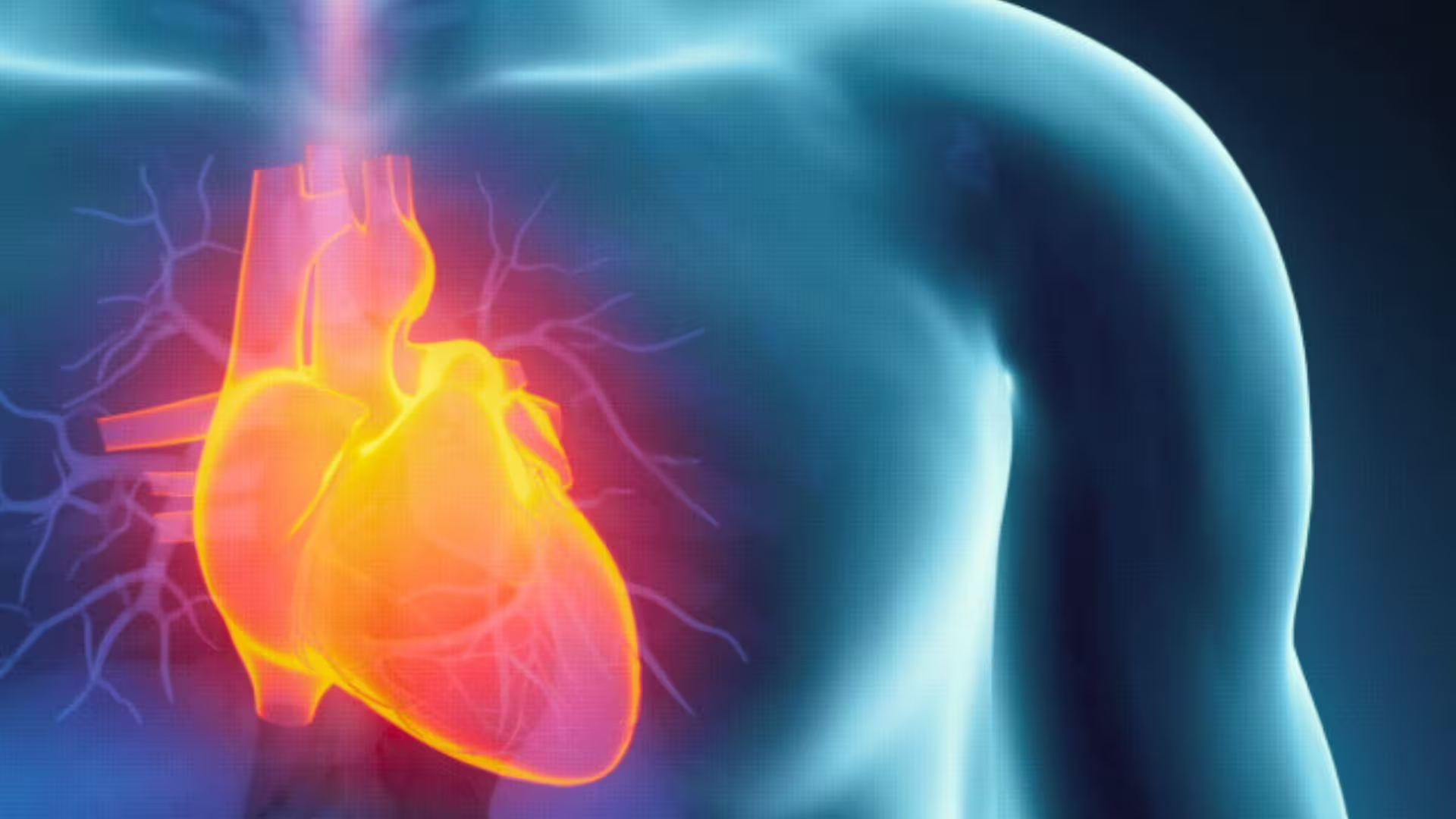
A well-rounded fitness routine involves a combination of strength, cardio, and flexibility training. Each type of exercise serves a unique purpose, targeting different aspects of physical health and overall well-being. Understanding the differences and benefits of each can help you design a balanced workout plan that improves strength, endurance, mobility, and long-term health.
Strength Training
Strength training, also called resistance training, focuses on building muscle mass, increasing bone density, and enhancing metabolic health. This type of exercise involves working muscles against resistance through weights, resistance bands, or bodyweight exercises.
Key Benefits of Strength Training:
- Muscle Growth and Toning: Builds lean muscle mass and improves body composition.
- Bone Health: Increases bone density, reducing the risk of osteoporosis.
- Metabolic Boost: Muscle tissue burns more calories at rest, supporting weight management.
- Improved Functional Strength: Makes daily activities like lifting, carrying, and climbing stairs easier.
Examples of strength training include weightlifting, push-ups, squats, lunges, and resistance band exercises. Incorporating 2–3 sessions per week can enhance both strength and overall fitness.
Cardiovascular (Cardio) Training
Cardio, or aerobic exercise, is designed to raise your heart rate and improve the efficiency of your cardiovascular system. Cardio workouts focus on endurance and stamina, supporting heart and lung health while burning calories.
Key Benefits of Cardio Training:
- Heart Health: Strengthens the heart and improves circulation.
- Endurance: Increases stamina for daily activities and sports.
- Weight Management: Burns calories and supports fat loss when combined with a healthy diet.
- Mood and Mental Health: Releases endorphins that reduce stress, anxiety, and symptoms of depression.
Common cardio activities include running, brisk walking, cycling, swimming, dancing, and group fitness classes. Adults are recommended to get at least 150 minutes of moderate-intensity or 75 minutes of vigorous-intensity aerobic activity per week.
Flexibility Training
Flexibility training focuses on stretching and mobility exercises to maintain or improve the range of motion in your joints and muscles. This type of exercise enhances posture, reduces stiffness, and helps prevent injury.
Key Benefits of Flexibility Training:
- Improved Mobility: Helps joints move through their full range of motion.
- Injury Prevention: Reduces muscle tightness and risk of strains or sprains.
- Better Posture and Balance: Enhances body alignment and stability.
- Stress Relief: Stretching can relax tense muscles and calm the mind.
Flexibility exercises include static stretching, dynamic stretching, yoga, Pilates, and mobility drills. Incorporating 10–15 minutes of flexibility work daily or after workouts supports overall functional fitness.
How to Combine Strength, Cardio, and Flexibility
A balanced fitness program includes all three exercise types, as each addresses different areas of health:
- Strength Training: 2–3 times per week for muscle and bone health
- Cardio Training: 3–5 times per week for heart and lung health
- Flexibility Training: Daily or after workouts for mobility and recovery
By combining these approaches, you improve endurance, strength, mobility, and overall wellness. For guidance on creating balanced routines and integrating all types of training into your lifestyle, visit Fit Life Source.
Conclusion
Understanding the differences between strength, cardio, and flexibility training is key to designing an effective fitness routine. Strength training builds muscle and metabolism, cardio enhances heart health and endurance, and flexibility training improves mobility and prevents injuries. Together, these three components create a balanced approach to physical fitness, supporting energy, functional strength, and long-term health. By incorporating all three types of exercise into your weekly routine, you can maximize results, prevent injury, and enjoy a more active, healthy lifestyle.