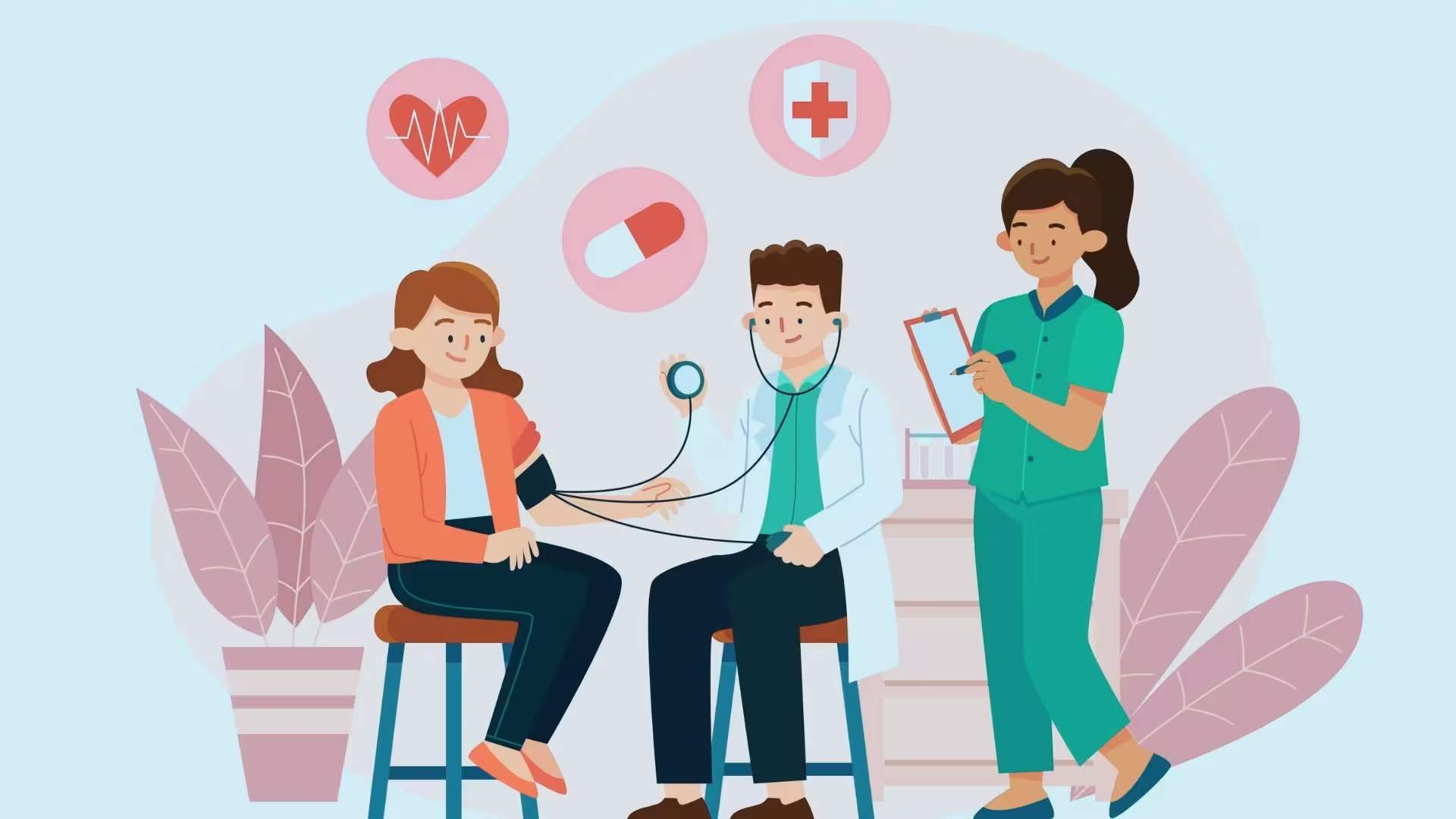
Regular health screenings are a cornerstone of preventive healthcare. They allow individuals to detect potential health issues early, even before symptoms appear, which can significantly improve outcomes and reduce long-term health risks. By proactively monitoring key health indicators, you can make informed decisions about lifestyle, treatment, and overall wellness.
Why Health Screenings Matter
Early detection is critical for effectively managing many diseases. Conditions like high blood pressure, diabetes, certain cancers, and cholesterol imbalances often develop silently. Regular screenings help identify these issues at an early stage when interventions are most effective.
Key Benefits of Health Screenings
- Early Detection of Diseases: Screenings catch conditions before they worsen, improving treatment success rates.
- Prevention of Complications: Identifying risk factors like high blood sugar or elevated cholesterol prevents severe outcomes such as heart attacks or strokes.
- Informed Health Decisions: Screening results guide lifestyle adjustments and medical interventions tailored to your health needs.
- Peace of Mind: Knowing your health status reduces anxiety and promotes proactive self-care.
Common Health Screenings to Consider
Regular screenings vary by age, sex, and risk factors. Some key health screenings include:
- Blood Pressure Checks: Detects hypertension before it leads to heart disease or stroke.
- Blood Tests: Assess cholesterol, blood sugar, and organ function.
- Cancer Screenings: Includes mammograms, colonoscopies, Pap smears, and prostate exams depending on age and gender.
- Bone Density Tests: Important for identifying osteoporosis risk, especially in older adults.
- Vision and Hearing Tests: Early detection of impairments prevents long-term functional decline.
- Body Mass Index (BMI) and Weight Management: Monitors obesity-related risks, including diabetes and cardiovascular disease.
Consulting your healthcare provider ensures you receive the screenings most appropriate for your age, gender, and family history.
How Regular Screenings Complement a Healthy Lifestyle
Screenings are most effective when paired with a proactive lifestyle. Healthy habits such as balanced nutrition, regular exercise, stress management, and adequate sleep reduce risk factors that screenings monitor. Together, they create a strong foundation for long-term health.
For guidance on preventive measures, healthy lifestyle routines, and recommended health screenings, visit Fit Life Source.
Reducing Healthcare Costs Through Early Detection
While medical visits and screenings may seem inconvenient or costly, they are often far less expensive than treating advanced diseases. Early interventions can prevent hospitalizations, surgeries, and long-term medication use, saving both money and time in the long run.
Addressing Common Misconceptions
Some people avoid screenings because they feel healthy or fear potential diagnoses. However, feeling well does not guarantee the absence of disease. Many serious conditions develop silently, emphasizing the importance of routine checkups even in the absence of symptoms.
You Can Also Read: lifestyle-disease-prevention
Practical Tips for Staying Consistent
- Schedule Screenings in Advance: Mark annual or biannual checkups on your calendar.
- Keep Records: Maintain a personal health file to track results and follow-up recommendations.
- Discuss Family History: Share genetic or familial risk factors with your healthcare provider for personalized screening plans.
- Follow Medical Advice: Adhere to recommendations for follow-ups, treatments, or lifestyle modifications.
Long-Term Benefits of Regular Health Screenings
Prioritizing regular screenings leads to multiple long-term advantages:
- Early management of chronic conditions
- Reduced risk of severe complications
- Enhanced longevity and quality of life
- Greater confidence in personal health management
- Stronger foundation for preventive healthcare and wellness
Conclusion
Regular health screenings are essential for maintaining long-term health, preventing complications, and promoting proactive care. Early detection allows for timely interventions, informed lifestyle adjustments, and peace of mind. By pairing routine screenings with a healthy lifestyle, you can take control of your health and reduce the risk of chronic illnesses. For expert guidance on health screenings, preventive care, and wellness strategies, explore Fit Life Source.