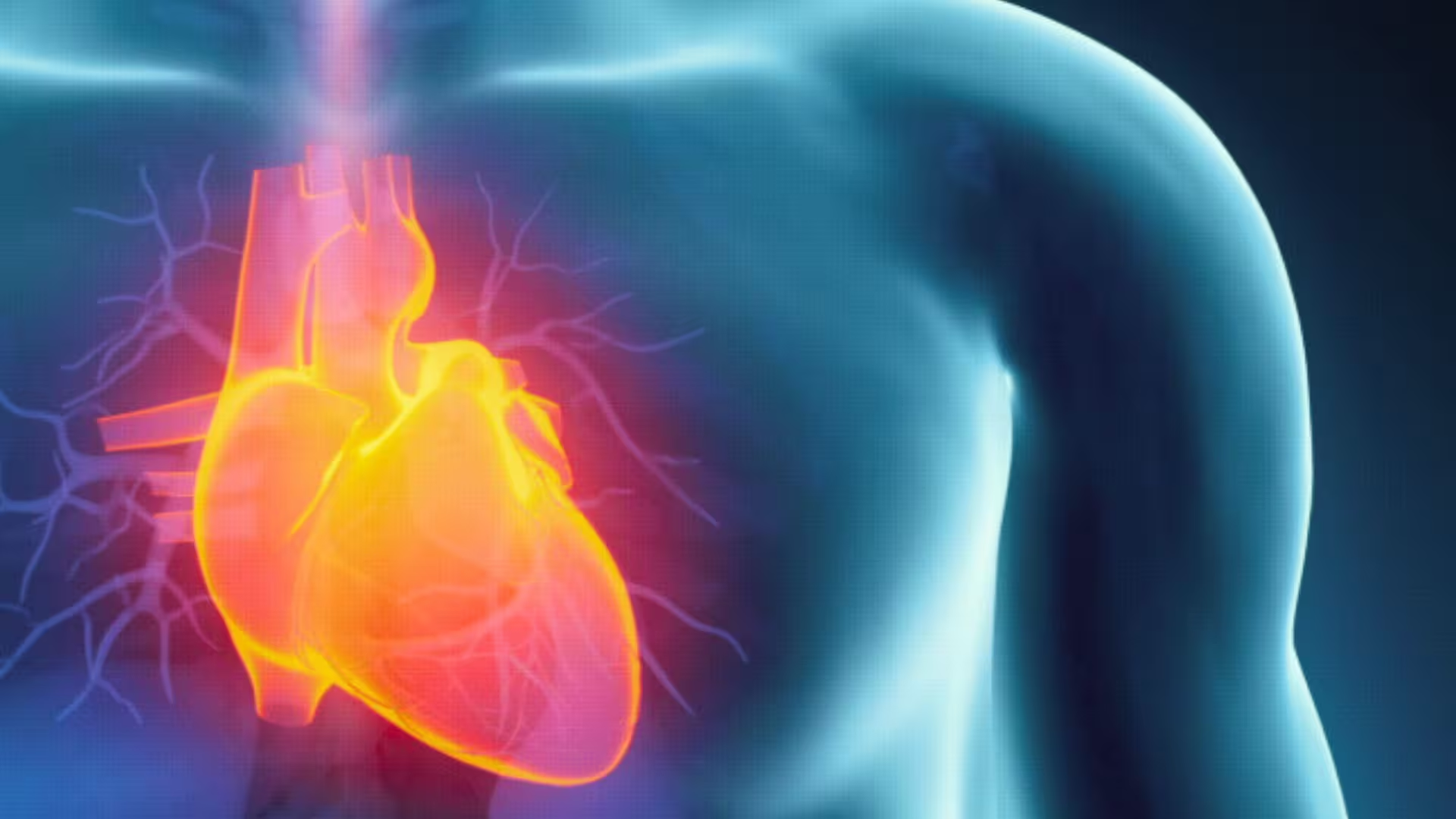
When it comes to physical activity, many people focus on the main workout but often neglect warm-up and cool-down exercises. These two components are critical for maximizing performance, preventing injury, and supporting overall fitness. Incorporating proper warm-ups and cool-downs into your exercise routine enhances flexibility, circulation, and recovery, ensuring that your workouts are safe and effective.
Why Warm-Up Exercises Matter
A warm-up prepares your body for physical activity by gradually increasing heart rate, blood flow, and muscle temperature. This helps your body transition from a resting state to an active one, reducing the risk of strains or injuries.
Key Benefits of Warm-Up Exercises
- Injury Prevention: Muscles, tendons, and ligaments become more pliable with gradual movement, lowering the risk of sprains or tears.
- Improved Performance: Increased blood flow and oxygen delivery to muscles enhance strength, speed, and coordination during workouts.
- Enhanced Flexibility: Gentle dynamic stretching improves joint range of motion, making movements smoother and more effective.
- Mental Preparation: Warm-ups help you focus and mentally transition into exercise, improving concentration and motivation.
Examples of Warm-Up Exercises:
- Light jogging or brisk walking
- Jumping jacks or dynamic stretches
- Arm circles, leg swings, or torso rotations
- Sport-specific drills, such as dribbling for basketball or practice swings for tennis
Even 5–10 minutes of warm-up activity can significantly reduce the likelihood of injury and enhance performance.
Why Cool-Down Exercises Are Essential
After completing a workout, your body remains elevated—heart rate, blood pressure, and body temperature are higher than resting levels. Cool-down exercises help your body gradually return to baseline, promoting recovery and reducing post-exercise discomfort.
Key Benefits of Cool-Down Exercises
- Reduces Muscle Soreness: Gradual movement aids in the removal of lactic acid, minimizing post-workout stiffness.
- Promotes Circulation: Gentle activity helps blood return from the muscles to the heart, reducing the risk of dizziness or fainting.
- Supports Flexibility: Stretching during the cool-down phase maintains or improves muscle length and joint mobility.
- Mental Relaxation: Cooling down provides a moment to reflect on the workout, relieve tension, and enhance overall wellbeing.
Examples of Cool-Down Exercises:
- Slow walking or light cycling
- Static stretches targeting major muscle groups
- Deep breathing and relaxation exercises
Even a brief 5–10 minute cool-down can improve recovery and prepare your body for future workouts.
How Warm-Up and Cool-Down Exercises Work Together
Warm-ups and cool-downs are complementary. A proper warm-up prepares your body for exertion, reducing the risk of injury and enhancing performance. At the same time, a cool-down helps the body recover, prevents stiffness, and supports long-term flexibility. Neglecting either component can lead to reduced performance, increased soreness, and a higher chance of injury over time.
Tips for Effective Warm-Ups and Cool-Downs
- Make Them Consistent: Treat warm-ups and cool-downs as integral parts of your workout routine, not optional extras.
- Use Dynamic Stretches for Warm-Up: Focus on movement-based stretches to prepare muscles and joints.
- Use Static Stretches for Cool-Down: Hold stretches for 15–30 seconds to improve flexibility and relax muscles.
- Tailor to Your Workout: Match warm-ups and cool-downs to the type of exercise (e.g., running, weightlifting, yoga, or sports-specific activity).
- Include Breathing Exercises: Deep, controlled breathing supports oxygen delivery, mental focus, and relaxation during both phases.
For guidance on creating effective warm-up and cool-down routines that complement your fitness goals, visit Fit Life Source.
Long-Term Benefits of Incorporating Warm-Up and Cool-Down
Regularly including warm-ups and cool-downs in your exercise routine leads to multiple long-term benefits:
- Reduced risk of acute injuries such as strains and sprains
- Improved performance and endurance over time
- Better flexibility, posture, and joint health
- Enhanced recovery and reduced muscle soreness
- Greater consistency in workouts due to fewer setbacks and discomfort
By making warm-up and cool-down exercises a standard part of your fitness routine, you protect your body, optimize performance, and support long-term health and mobility.
Conclusion
Warm-up and cool-down exercises are vital components of a safe and effective workout routine. Warming up prepares your muscles, joints, and cardiovascular system for activity, reducing injury risk and improving performance. Cooling down promotes recovery, reduces muscle soreness, and supports flexibility. Incorporating both into every exercise session ensures that your workouts are not only productive but also sustainable in the long term. For expert tips, routines, and guidance on integrating these practices into your fitness lifestyle, visit Fit Life Source.